Seat Belt Components
Individual parts for repair, rebuild and maintenance work — buckles, latch tongues, anchor plates, pillar loops, mounting bolts and bushes, trim covers and webbing hardware.
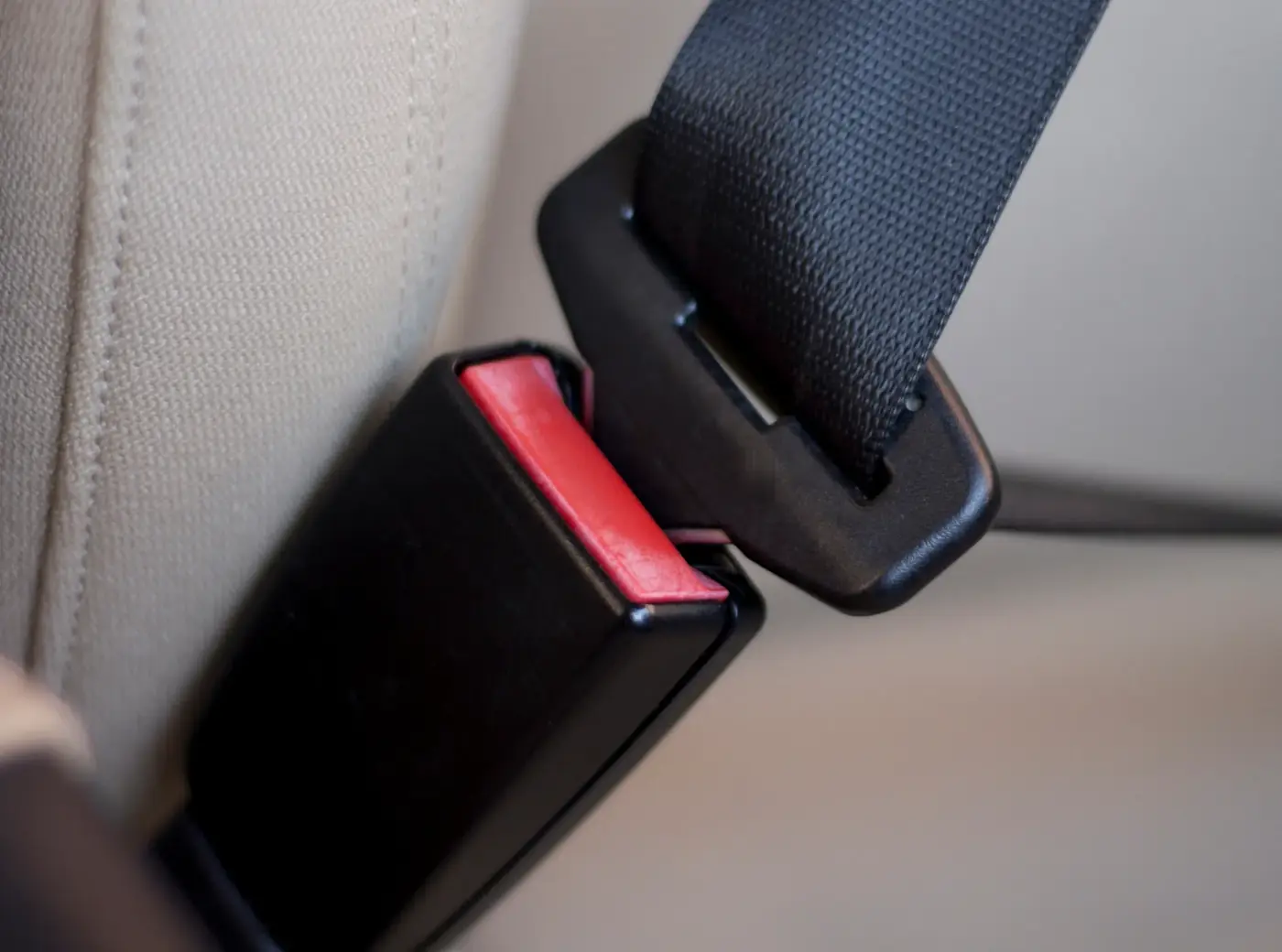 Buckle & tongue, separated
When a component is the right answer — and when it is not
Not every restraint job needs a complete assembly. A cracked trim cover, a seized release button, a corroded anchor bolt or a worn pillar loop are all component-level problems with component-level fixes, and replacing the whole belt to solve one of them is wasteful.
The condition we attach to that is a firm one: the replacement has to genuinely match what it is replacing. A buckle that accepts the tongue is not automatically the correct buckle for it. An anchor plate that bolts through is not automatically rated for the geometry it is being asked to work in. Where a component is a near-miss rather than a match, we will say so and recommend the assembly instead, even though that is the less convenient answer for both of us.
The practical dividing line we apply is this: components are appropriate where the failing part can be positively identified and matched, and where the remaining parts of the system are sound. Where the tongue and buckle relationship is in doubt, where webbing shows wear along its length, or where the anchorage arrangement itself is being altered, the assembly is the correct route.
Key features
- Buckles and stalks — supplied matched to a known tongue profile rather than to a general shape that happens to fit
- Latch tongues — profile, thickness and webbing slot verified against the buckle they will engage with
- Anchor plates and bolts — thread, length and plate geometry confirmed against the mounting point they are going into
- Pillar loops and guides — the moulded hardware that shapes webbing routing and, when worn, causes drag and edge wear
- Bushes, spacers and trim — the small parts that are routinely missing from a repair and hold the whole job up
- Honest matching — where a component would only approximately fit, we recommend the assembly instead of shipping a near-miss
Components at the points that matter
The three interfaces that decide whether a component-level repair will work: tongue into buckle, plate into loop, and webbing into hardware.
SELECT AN IMAGE
Images are representative of the product family. The exact item supplied is confirmed against your fitment before dispatch.
Typical component-level repairs
These are the failures that arrive most often, and they are almost all fixable without replacing the belt.
Stiff or seized release buttons
Grit and wear inside the buckle housing gradually increase the force needed to release. The buckle is replaced; the belt is not.
Cracked trim and covers
Cosmetic on the surface, but broken trim exposes hardware and lets debris into mechanisms that were designed to be shielded.
Corroded anchor bolts
Common on industrial and exposed applications. Replaced with the correct thread and length, never with whatever fits the hole.
Worn pillar loops
A worn or roughened loop drags on webbing, slows retraction and accelerates edge wear along the belt.
Damaged latch tongues
Bent, burred or scored tongues engage poorly. Replaced against the buckle profile rather than by eye.
Missing small hardware
Bushes, spacers and washers that were lost during a previous repair and are holding the current one up.
Getting a component match right the first time
Component matching is more exacting than assembly selection, because there is no matched partner arriving alongside to absorb the tolerance.
Photograph the part from several angles
Front, side and the mounting face, with a ruler or tape measure in frame. Two good photographs settle more than a page of description.
Measure the interface, not the part
For a tongue, the slot width and plate thickness. For an anchor bolt, the thread and effective length. For a loop, the webbing aperture. These are what have to match.
Check the partner part while you are there
If the buckle is being replaced, inspect the tongue. Wear is rarely confined to one side of an interface that has been working together for years.
Be willing to escalate to an assembly
If the match cannot be established with confidence, the correct answer is the complete set. A restraint is not the place to accept an approximate fit.
A note on responsibility
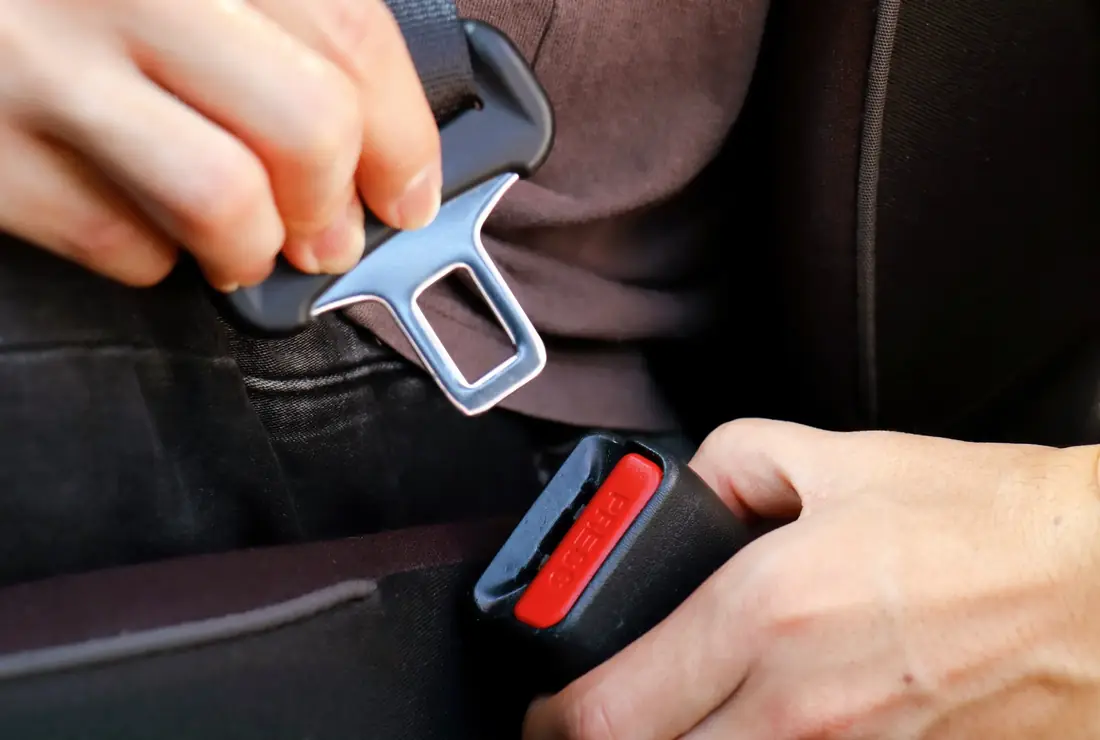
Requirements vary by vehicle, equipment and application. Where a manufacturer specifies particular restraint parts, torque values or fitting procedures for a position, that guidance should be followed and the work carried out by a competent technician. We supply components and help you identify what suits a fitment; we do not inspect your vehicle, and nothing on this page substitutes for a professional assessment of it.
Related product families
Seat Belt Assemblies
The correct route whenever tongue and buckle matching cannot be established with confidence.
Retractor Systems
The mechanism behind the webbing, where retraction or locking behaviour has degraded.
Application-Specific Solutions
Non-standard seating whose components rarely correspond to automotive equivalents.

Need a component matched?
Send clear photographs of the part from a few angles with something in frame for scale. We will tell you whether it can be matched, or whether the assembly is the safer route.